Heat pump installation, assembly
As the world moves towards more sustainable and energy efficient solutions, heat pumps have become a popular choice for many homeowners and businesses. These appliances, which help reduce carbon dioxide emissions and significantly cut monthly energy bills, have several advantages. In this article we will take you through the process of installing a heat pump, looking at the potential costs, process, advantages and possible disadvantages. Whether you are an individual interested in energy efficiency, an experienced professional or someone new to the concept of heat pumps, this comprehensive guide will tell you everything you need to know about installing heat pumps.
About heat pumps
Heat pumps are a major innovation in sustainable energy and energy efficiency. The key principle of a heat pump is the transfer of heat from one place to another, providing environmentally friendly heating solutions that are important in today’s green culture. The stable operation of heat pumps is based on their ability to consume less energy compared to traditional heating systems, which is why they are characterised by their energy efficiency. Heat pumps extract heat from the environment (air, ground or water), transferring and storing this energy to thoroughly heat your home; providing a warm and comfortable living environment. Unlike traditional heating appliances that burn fuel to generate heat, heat pumps simply move existing heat from one place to another, making them a highly sustainable energy solution. This detailed process, combined with a professional heat pump installation, ensures that your home retains the heat you want while promoting an environmentally friendly solution. The introduction of heat pumps underlines a strong commitment to environmental sustainability, demonstrating an excellent approach to energy efficiency. It adds to our repertoire of strategies to combat environmental change by significantly reducing carbon dioxide emissions, reinforcing the importance and relevance of heat pumps in modern energy use.
Choosing the right heat pump for your home
Choosing the right heat pump for your home requires careful consideration of a number of factors, mainly energy efficiency, sustainable energy and environmentally friendly heating. Heat pumps are an environmentally friendly solution for heating your home because they extract heat from the ground or air, significantly reducing carbon emissions. However, the level of energy efficiency varies from model to model. It is therefore important to take into account the Seasonal Energy Efficiency Ratio (SEER) and the Heating Seasonal Performance Factor (HSPF); higher values of these indicators mean higher energy efficiency. Another important factor is the size and capacity of the pump to ensure that it meets your home heating requirements. Professional heat pump installation is essential to optimise efficiency, reduce unnecessary energy consumption and prevent future malfunctions. It is also worth noting that some heat pumps come with additional features, such as programmable thermostats, which contribute to energy savings. Finally, it is important to consider not only the purchase and installation costs, but also the long-term costs of maintenance and possible repairs. Choosing an environmentally sustainable, energy-efficient heat pump may require a higher initial investment, but it will certainly pay off in the long run with significant cost savings and reduced carbon emissions.
Installation process
Installing an energy-efficient heat pump can be a great choice for eco-friendly homeowners looking for sustainable heating solutions. The process starts with finding a certified and experienced professional installer who understands the importance of optimising energy and preserving the environment. They will usually carry out an initial assessment to make sure your home is suitable for a heat pump system, assessing factors such as insulation, existing heating systems and layout. This assessment ensures that the system will provide optimum energy efficiency for your home.
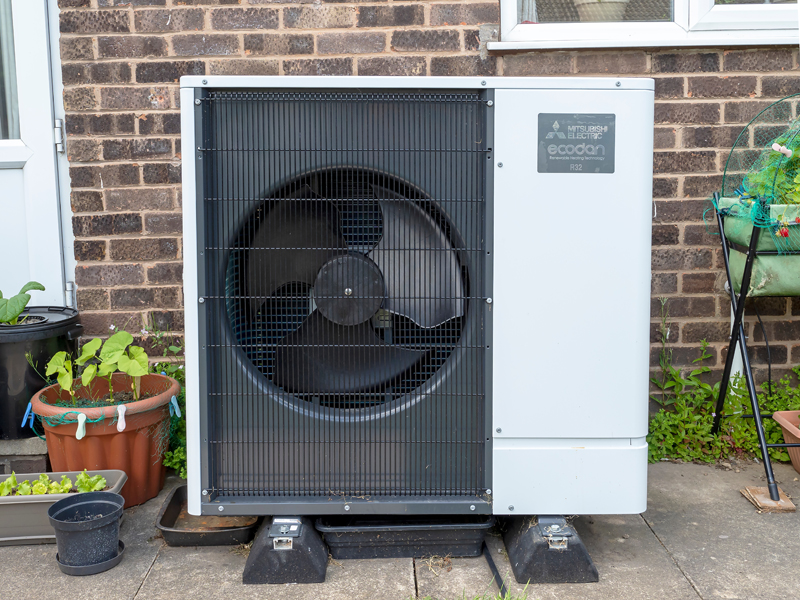
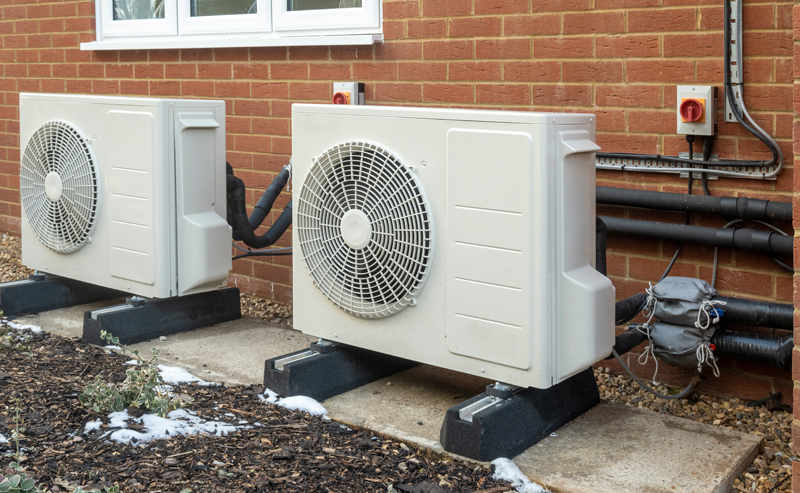
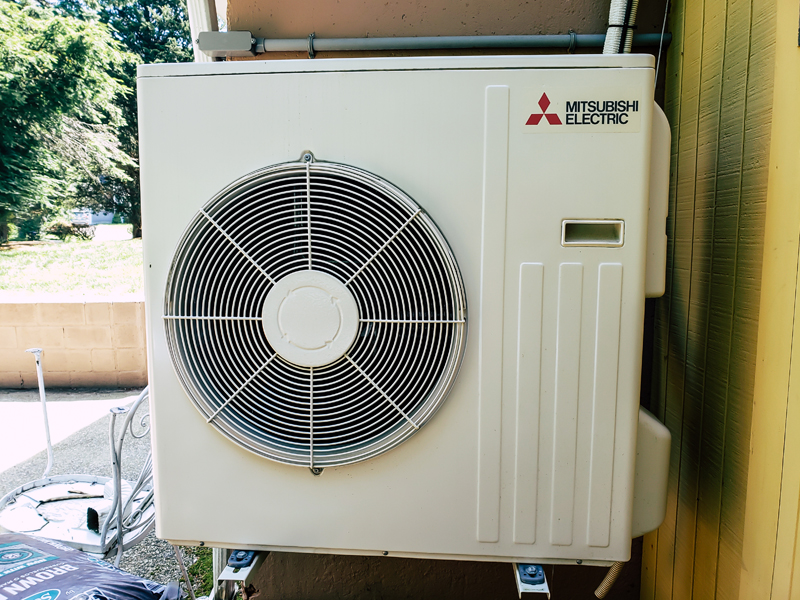
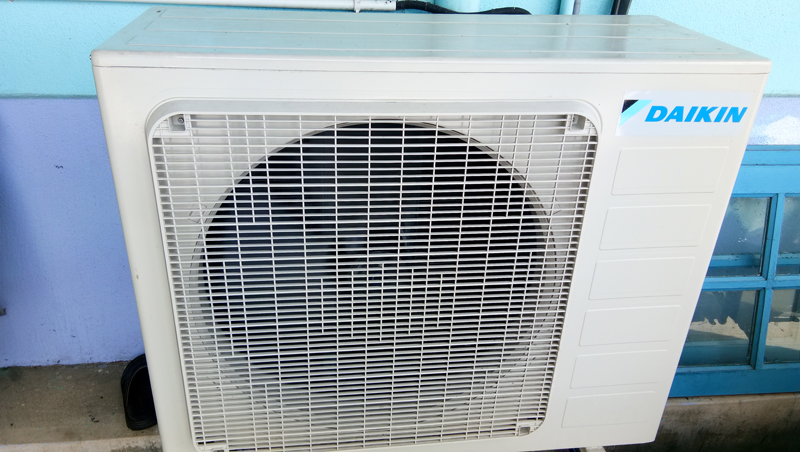
The installation process itself can vary depending on the specifics of your home, but usually involves installing the outdoor unit, the indoor air handler and connecting the two units using filters, coils and ducting if necessary. The technician will also integrate the system with your home’s existing wiring and controls. The procedure adheres to strict environmental standards: heat pumps work by simply transferring heat from one room to another, significantly reducing greenhouse gas emissions compared to traditional heating systems, and are powered by electricity that can be generated from renewable energy sources. In addition, modern heat pumps often have impressive energy efficiency ratings, which can save costs in the long run. Finally, when heat pump systems are installed correctly, homes can benefit from a safe, sustainable and environmentally friendly heating solution.
Advantages of installing a heat pump
There are many benefits of installing a heat pump, the main ones being improved energy efficiency and significant cost savings. Using a heat pump for heating is extremely efficient, as the heat is extracted from the air or the ground, which is a sustainable energy source, and several units of heat are produced from each unit of electricity used to run the pump. This high efficiency rate allows you to significantly reduce your energy consumption and thus your utility bills. The energy-saving aspect not only saves costs, but is also environmentally friendly. By harnessing energy from natural sources, heat pumps help to reduce greenhouse gas emissions, which is an important step in the fight against climate change. Installing a heat pump also means moving away from traditional heating fuels such as oil or gas, making your home safer and cleaner. In addition, a well-maintained heat pump lasts longer than traditional heating systems, providing long-term benefits. All these factors make heat pump installation a viable, sustainable and desirable solution for homeowners who want to maximise their home heating efficiency.