


Construction of a heating system
In this article, we will look at the comprehensive process of building a heating system. We will explore the different components involved, their essential functions and the technical knowledge needed to build an efficient and reliable heating system. Whether you are a professional, a DIY enthusiast or someone looking to expand your understanding, this article provides a detailed insight into the different heating systems, how they work and the construction process. The complex installation process of this essential home infrastructure is crucial to ensure warmth and comfort during the cold and bitter months, and this article will walk you through each step.
Introduction to heating systems
Heating systems are an integral part of any building, providing comfort and convenience, especially during the harsh winter months. These can be traditional systems such as boilers and furnaces, or innovative solutions such as heat pumps. One of the most appreciated models is the installation of heat pumps, which provide both heating and cooling functions, and are energy efficient and environmentally friendly. It transfers heat from one source to another rather than generating it itself, so it uses less energy than traditional systems. The heating system design process involves careful consideration of building size, layout, insulation and climatic conditions to ensure optimal and cost-effective heat distribution. This ensures maximum system performance and minimum energy consumption.
Another important aspect of heating systems is the construction of a heat hub – a central boiler that distributes heat to several buildings. Professionally built and managed, thermal hubs can serve several buildings at the same time and, thanks to their higher efficiency, can significantly reduce carbon emissions. Finally, the construction of any heating system is a complex process involving a combination of technologically advanced components such as heat sources, distribution systems and control systems. To guarantee the longevity and efficiency of the system, it is important to ensure that these components are strategically placed and properly isolated. In conclusion, when working with heating systems, it is essential to understand the nuances of heat pump installation, heating system design, thermal unit design and the overall design of the heating system. With the right knowledge and practical insight, you can create a heating system that not only provides maximum comfort and convenience, but is also cost-effective and environmentally friendly.
Components needed for a heating system
There are various important components involved in the design of a heating system, the cornerstone of which is the installation of a heat pump. A heat pump is an essential element as it provides both heating and cooling by transferring energy from the air, ground or water. Spanish engineers often recommend energy-efficient modes such as condensing boilers or heat pumps to ensure optimal performance. The choice is carefully made on the basis of building type, energy demand and climatic conditions. This is followed by the design of the heating system, where factors such as heat loss, appliance efficiency and fuel type have a significant influence on temperature control. The high-efficiency design will promote a smooth energy flow with minimal losses. The combination of these elements is the thermal hub, which acts as a hub for the different heating components. It combines heat pumps, boilers and radiators in a compact unit that allows easy management and efficient energy distribution. The design determines how well the plant works and functions, as it houses various devices such as the primary system pump, zone valves, etc. c. Finally, the overall design of the heating system. This includes the design, installation and testing of the entire network, including pipe layout, device placement, control settings, etc. c. This stage ensures that everything is properly integrated and guarantees smooth operation, keeping users warm and comfortable. In conclusion, an efficient heating system requires a balanced synergy between the installation of heat pumps, functional design, robust heat node construction and careful system construction.
Stages in the development of a heating system
The construction of a heating system involves several steps, starting with the design process. Designing a heating system requires a comprehensive analysis to determine the right system to meet the heating needs of the space. This includes calculating the required heat load and sizing the system appropriately to ensure efficient operation. Factors such as building insulation, ventilation, floor area and local weather conditions are taken into account to ensure that all critical elements are considered in the design.
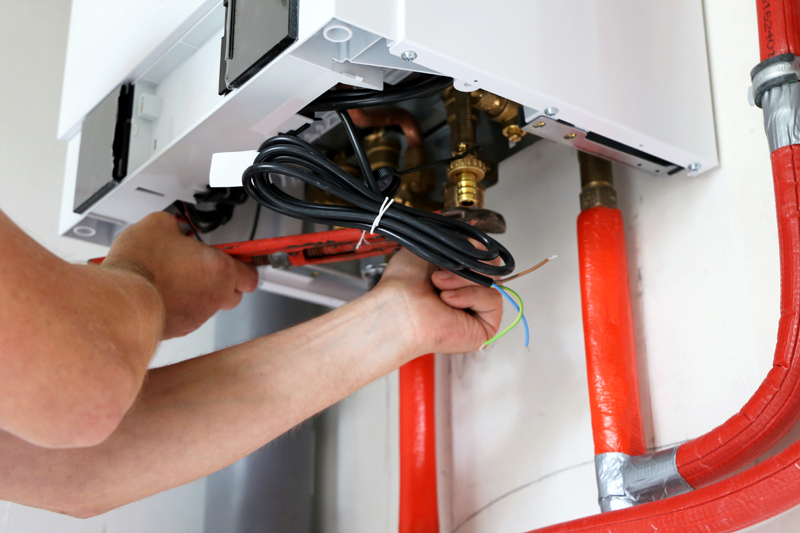
The next step is to install a heat pump, which is an essential component of the system that extracts heat from the environment and transfers it to the right place. During installation, the manufacturer’s instructions must be carefully understood and local building codes must be observed. The location of the heat pump is usually chosen to ensure efficient heating and safety. The wiring is then connected and the coolant and air filters are installed.
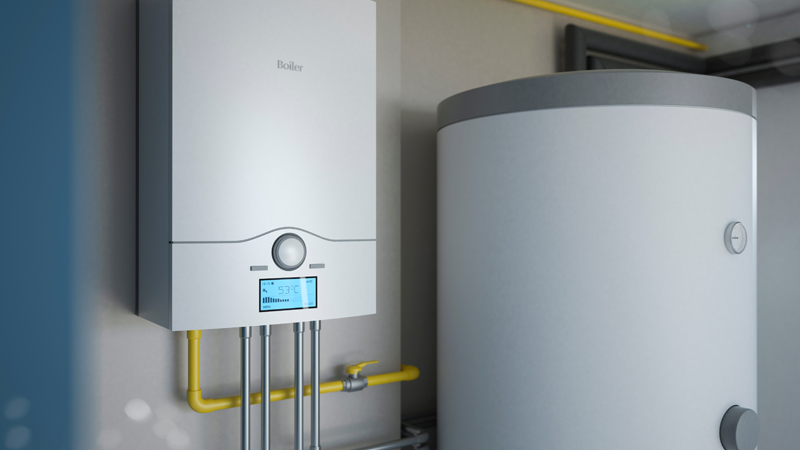
The construction of a heat hub, which is the central control device of the heating system, is being continued. It often includes a controller, heating emitters and a heat pump or boiler. The heat node coordinates the heat source and heat distribution throughout the home, ensuring optimal operation of the heating system. Installation should be carried out professionally to ensure that the controller communicates effectively with all devices.
Finally, every component of the heating system must be checked to make sure it is working properly before the system is completed. This final step ensures that the whole heating system works as intended, providing an efficient, safe and comfortable heating source for the building. If the system is built correctly, maintenance becomes easy, ensuring a comfortable and sustainable living environment.
Safety precautions and regulations for the construction of heating systems
During the installation of a heating system, in particular heat pumps and heat exchangers, strict safety precautions and specific rules must be followed to minimise potential hazards and ensure efficient operation. When installing heat pumps, technicians must follow the necessary safety protocols for electrical connections and pressure control. The location of the heat pump must be carefully chosen to avoid potential sources of damage such as flooding or falling debris. Improperly installed heat pumps can cause coolant leakage, which is a potential environmental hazard, so standardised installation practices are required. Similarly, safety considerations such as efficient ventilation and correct siting of heating sources must be taken into account when designing a heating system. This prevents the build-up of dangerous gases and ensures ideal heating distribution. As regards the design of heat exchangers, good engineering practice emphasises the construction of structurally sound and thermally efficient houses, which prevent the loss of heat generated and thus optimise energy use. For example, heat exchangers should always be installed on firm and level ground to prevent movement that could cause damage. Protective covers around heat exchangers can also protect them from accidental leaks. To ensure the safe operation of these heating systems, it is also important to comply with building codes and regulations, such as the Heating System Safety Act or the National Electrical Code. Together, these measures make up an efficient, safe and compliant heating system design.
Tips for maintaining and troubleshooting your heating system
Maintenance and troubleshooting are essential to ensure the functionality and longevity of your heating system. One of the key steps is to ensure that the heat pump is installed correctly. It needs to be installed correctly by a professional to optimise its performance and prevent future problems. Before installation, the size and style of the heat pump must be carefully selected, taking into account the size and construction of the building to ensure adequate heating. Regular cleaning of filters, coils and fans is also essential for the efficient operation of the heat pump. Secondly, the design of the heating system must be optimised to use energy efficiently. This includes proper insulation, the use of energy-efficient materials and system design to prevent heat loss. Regular monitoring of thermostats, control systems and combustion efficiency is essential to detect and prevent problems early. In the design of a heat node, it is very important to ensure a correct and safe connection to the main heat source. The heat exchanger must be constructed using high-quality materials capable of withstanding high temperatures and pressures, and regularly checked for leaks or damage. There are a number of factors to consider when it comes to the design of a thermal hub. This includes the location of the system, the type and size of heating appliances, and the piping material. Regular maintenance checks and prompt repair of any faults found will ensure the longevity and efficiency of your heating system. To ensure safety and reliability, it is advisable to have professional expertise when major installations or repairs are carried out.